Get Back on the Road With Security - Reliable Auto Repair
Trustworthy auto repair is necessary for vehicle safety and performance. A solid shop delivers comprehensive services, from routine checks to urgent repairs. Identifying when your vehicle requires help can be tricky. Many drivers experience trouble with trustworthy mechanics. Regular upkeep significantly impacts maintaining your car's longevity. Yet, the confusion surrounding repair costs and mechanic communication can leave one uncertain. What approaches can vehicle owners take to confirm their vehicles remain prepared for the road?
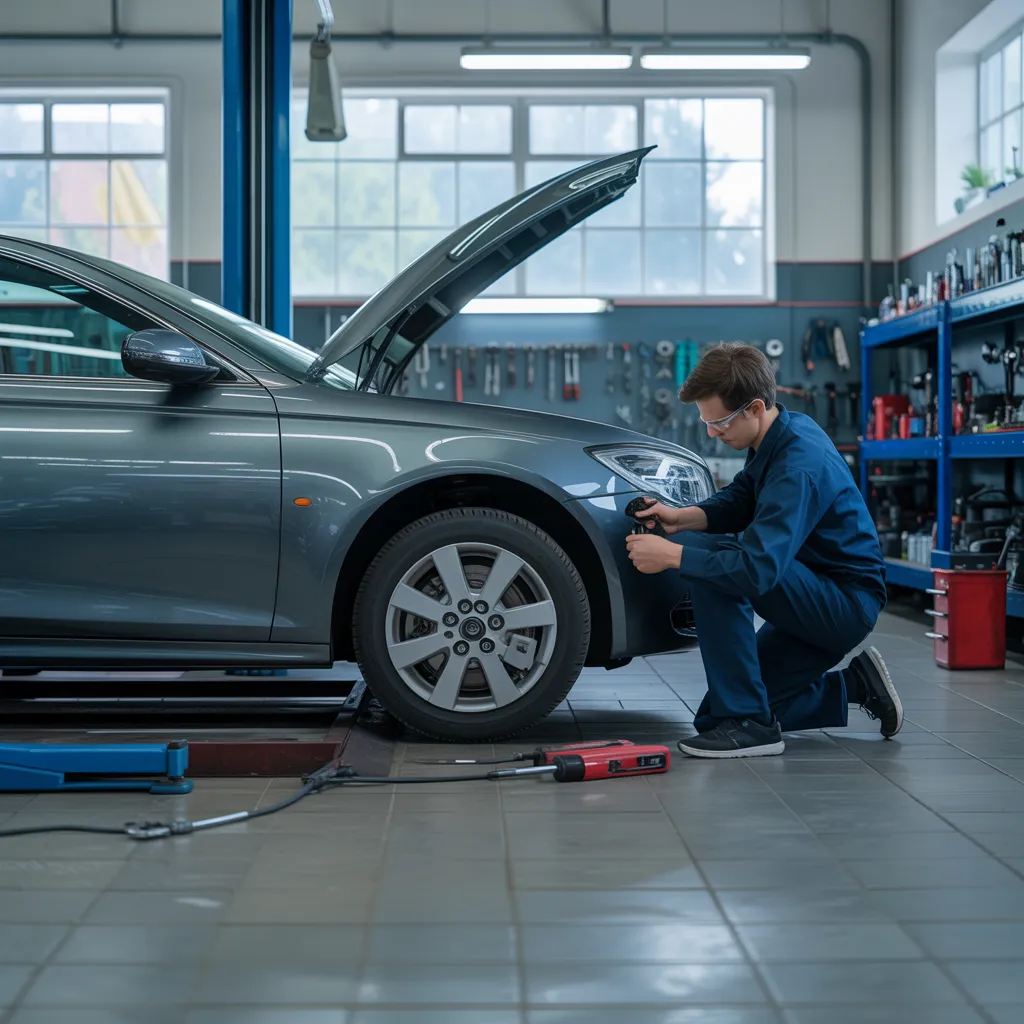
Recognizing When Your Vehicle Needs Repairs
How can one tell when a vehicle needs servicing? There are several key indicators that indicate a requirement for maintenance. Unusual noises, such as grinding or squeaking, often indicate brake or engine issues. Warning lights on the dashboard, particularly the check engine light, should not be ignored, as they indicate potential problems that demand immediate investigation. Additionally, a reduction in performance, such as sluggish acceleration or difficulty starting, can also indicate underlying mechanical issues.
Visual indicators, such as oil seepage or uneven tire wear, are further warnings that servicing is required. If the automobile drifts to one direction while driving, this could suggest alignment problems or tire complications. Consistently tracking these components can help guarantee quick repairs, preventing greater deterioration and expenses in the long term. Ultimately, being vigilant and proactive is crucial for keeping your vehicle healthy.
How to Identify a Reliable Auto Repair Shop
Locating a trustworthy auto repair shop can be a tough job for car owners. To start out, people should seek guidance from associates, family, or work associates. Own experiences often impart pertinent information into a operation's standard of service. Internet-based reviews and ratings on platforms like Yelp or Google can further help evaluate consumer contentment.
Next, examining certifications and affiliations with recognized industry organizations, such as the Automotive Service Excellence (ASE), can indicate a shop's commitment to professional standards. It is prudent to visit potential shops for an opening appointment, giving customers to gauge sanitation, workflow, and support.
In addition, getting formal quotes before any work begins can eliminate misunderstandings about costs. Finally, a reliable shop should be transparent about its services and ready to describe repairs. By taking these steps, vehicle owners can enhance their chances of finding a dependable auto repair shop.
The Importance of Consistent Car Maintenance
While many car owners may fail to address regular maintenance, consistent vehicle maintenance is indispensable for ensuring a car's lifespan and peak performance. Skipping maintenance can result in a series of problems, from small troubles to significant breakdowns. Routine assessments, such as lubricant replacements, wheel adjustments, and brake evaluations, can prevent costly repairs and strengthen driving safety.
Moreover, regular maintenance helps maintain a vehicle's gas mileage, lowering overall operating costs. It also maintains the selling price; a properly serviced car is often more appealing to potential customers.
Committing to scheduled maintenance creates a sense of accountability among owners, urging them to stay current about their vehicle's needs. By emphasizing maintenance, vehicle owners not only protect their monetary investment but also contribute to overall road safety. Ultimately, regular vehicle upkeep is a preventive strategy that benefits both the owner and the larger community.
Understanding Repair Costs
Comprehending repair expenses might often seem confusing for automobile owners. Diverse factors determine such expenses, encompassing labor charges, component values, and the level of intricacy in the repair undertaking. Labor fees vary broadly throughout different regions and shops, usually demonstrating the mechanic's skill level and the business's overhead. Besides, the type of parts chosen—whether OEM parts or replacement alternatives—may significantly determine the ultimate bill.
Vehicle model and age also contribute; rare or vintage models may require unique components that are more expensive and harder to source. Moreover, surprise complications can occur during maintenance work, resulting in additional costs that were not foreseen at first. By gaining a basic understanding of such considerations, vehicle owners can address repair assessments with greater confidence and establish well-reasoned conclusions regarding their vehicle requirements.
How to Lucidly Outline Car Issues to Your Technician
Effectively communicating car problems to a mechanic can significantly improve the assessment and repair process. When explaining problems, car drivers should be detailed about signs, such as unusual noises, tremors, or alert indicators. Providing information on when the issue occurs—whether during acceleration, braking, or idling—can also help the technician pinpoint the issue.
It is advantageous to document any current alterations in driving behavior or service records. Using simple, direct communication avoids ambiguity, allowing the technician to understand the situation better. Owners should avoid using technical jargon unless they are confident in its meaning.
Furthermore, submitting documentation, like service records or previous repair invoices, can offer context. A precise account not only helps with swift diagnosis but also builds a collaborative relationship between the car owner and the mechanic, ultimately producing effective repairs.
Forming a Permanent Connection With Your Auto Repair Shop
Developing a sustained partnership with an auto repair shop depends on integrity and transparency. Steady excellent service solidifies this tie, while transparent exchange channels make certain that patrons are made to feel valued and heard. Collectively, these aspects build a partnership that benefits both the customer and the repair technician.
Establish Credibility By Clear Communication
When customers feel well-informed about the services their vehicles need, confidence naturally arises between them and their auto repair shop. Transparency in communication is essential; it allows customers to understand the justification behind recommended repairs and maintenance. Auto more information repair shops that provide detailed insights, accurate estimates, and open discussions establish a sense of security among their clientele. This openness not only simplifies the repair process but also empowers clients to make informed decisions. Furthermore, sharing information about the shop’s qualifications, warranties, and service history enhances credibility. By prioritizing transparency, auto repair shops can build lasting relationships, encouraging repeat customers and customer loyalty. Ultimately, trust through transparency sets the path for a more dependable and reliable auto repair experience.
Dependable Quality Service
Consistent excellent service quality is the cornerstone of a lasting relationship between customers and their auto repair shop. When customers obtain dependable and prompt repairs, they are more likely to come back for future maintenance. This dependability fosters trust, allowing customers to be assured in the expertise of the technicians. Over time, as customers observe the same high standards being upheld, a sense of commitment develops. Quality checks performed on a regular basis and adherence to industry standards guarantee that vehicles are not only repaired but also maintained to prevent upcoming problems. Such commitment to excellence creates an environment where customers sense appreciation, knowing their vehicles are in skilled hands. Ultimately, this dedication to consistent quality service strengthens the relationship between auto repair shops and their clientele.
Create Interaction Routes
Effective interchange acts as an essential bridge between patrons and their auto repair shops, bolstering trust and comprehension. Open communication channels establish a collaborative environment where patrons feel important and kept in the loop. When repair shops provide clear explanations about work performed, expenses, and timeframes, customers can make superior determinations about their automobiles. Consistent updates during repairs can ease anxiety and forge assurance in the shop's expertise. On the other hand, patrons who express their concerns and desires contribute to a more tailored experience. This reciprocal exchange not only deepens relationships but also stimulates allegiance. By stressing open interchange, auto repair shops can create a name for reliability, ensuring that customers revisit for future needs, certain in the service they will experience.
Regularly Answered Questions
What Can I Do if My Car Malfunctions Without Warning?
When a car breaks down abruptly, the driver should safely pull over, turn on hazard lights, assess the situation, and call for roadside assistance or a tow service if needed. Remaining composed is essential.
How Can I Assess if a Mechanic Is Reputable?
To assess a mechanic's trustworthiness, one should check reviews, ask for referrals, evaluate certifications, and notice openness in costs. A trustworthy technician will speak plainly and provide detailed explanations of required maintenance and work.
Do warranties cover vehicle maintenance work?
Many auto repair shops offer warranties on their services and parts, typically ranging from 90 days to several years. Customers should inquire about specific terms and conditions to ensure adequate protection for their repairs.
What Items Should I Have in My Car for Emergencies?
A well-stocked vehicle should include a spare tire, jack, jumper cables, flashlight, first aid kit, basic tools, and tire pressure gauge. These important components help ensure safety and handle minor issues during unexpected emergencies on the road.
What Steps Should I Take to Prepare My Car for Seasonal Changes?
To get ready a car for weather transitions, one should check fluid levels, examine tires for wear and inflation, check the power source, change wipers, and make sure lights operate as intended for best safety and operation.